
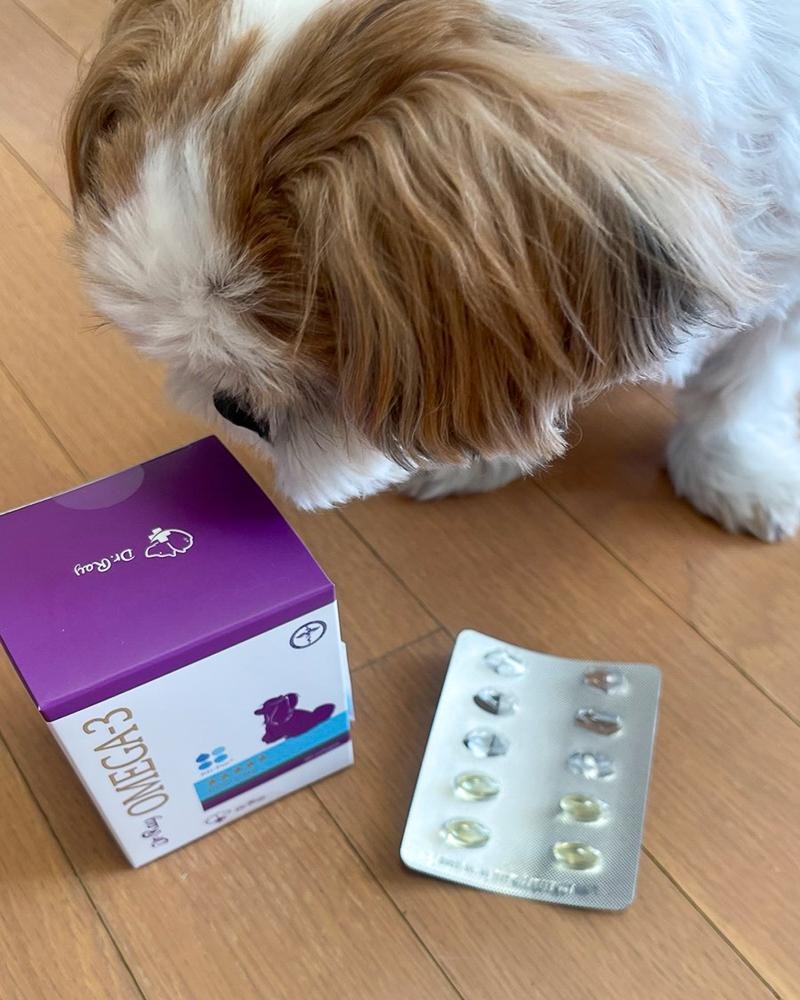
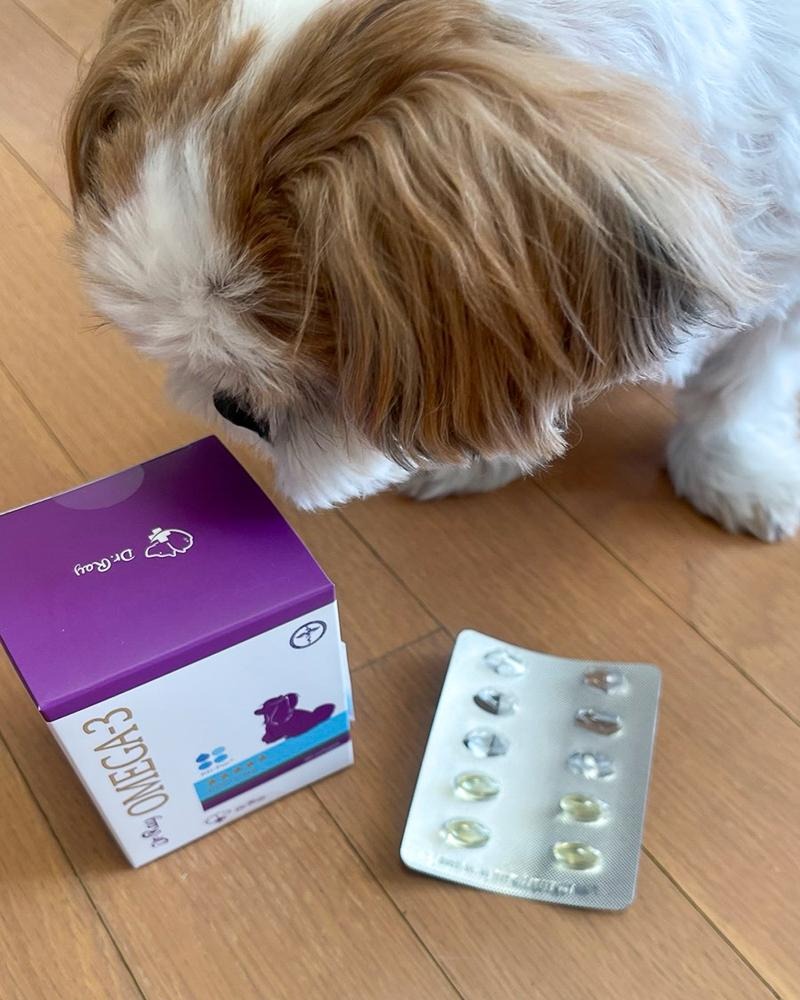
Hi everyone! 🤎
If you’ve been following Yeori Day, you know Yeoreum is 10 now.
As he gets older, I’ve started reading supplement labels much more carefully. 😅
There are so many options, and honestly, it can get overwhelming.
Right now, one of the supplements in Yeoreum’s routine is omega-3.
So today I want to share what I’ve learned about omega-3 for senior dogs, what I check before
choosing one, and the product Yeoreum is taking now.
💡 I’m not a veterinarian. This post is based on my own research and our experience. Please talk to
your vet before starting any supplement.
🐟 What is Omega-3 & Why I Consider it?
Omega-3 is a type of healthy fat.
For dogs, the two that matter most are EPA and DHA.
Plants like flaxseed contain a different omega-3 called ALA, but dogs can only turn a small amount of it into EPA and DHA.
That’s why most omega-3 supplements for dogs are made from fish oil, which gives EPA and DHA directly.
Omega-3 fatty acids, especially EPA and DHA, are essential nutrients that may support normal skin and coat health and help maintain overall well-being. They are also often discussed in relation to joint health in dogs.
Of course, every dog is different, and supplements aren’t a replacement for a balanced diet or proper veterinary care. For senior dogs like Yeoreum, I believe it’s important to choose supplements thoughtfully rather than simply adding more to her routine.
⭐ Why Do People Give it to Senior Dogs?
Joints. This is the most studied area. In studies of dogs with osteoarthritis, diets and supplements rich in EPA and DHA helped some dogs move more comfortably.
Skin and coat. Many guardians give it for dry, itchy skin or a dull coat.
Kidneys, heart, and the aging brain. Researchers are still studying these. Some results look promising, but nothing is settled yet.
Omega-3 isn’t a cure for anything, and it works slowly. It can take several weeks or more before younotice a difference.
For a 10-year-old small dog like Yeoreum, I think of it as a small daily habit that supports his agingbody
🔎 What I Look for in an Omega-3 Supplement
When choosing an omega-3 supplement for Yeoreum, these are some of the things I consider:
- EPA and DHA content: I want to know how much of these omega-3 fatty acids each serving actually provides.
- Ingredient transparency: Clear ingredient and nutritional information helps me make a more informed choice.
- Quality and freshness: Fish oil can oxidize over time, so proper storage and quality control matter.
- Easy daily feeding: A supplement should fit comfortably into her everyday routine.
- Appropriate dosage: The right amount depends on the dog’s weight, diet, health, and other supplements or medications.
🐾 Why We Use Dr.Ray
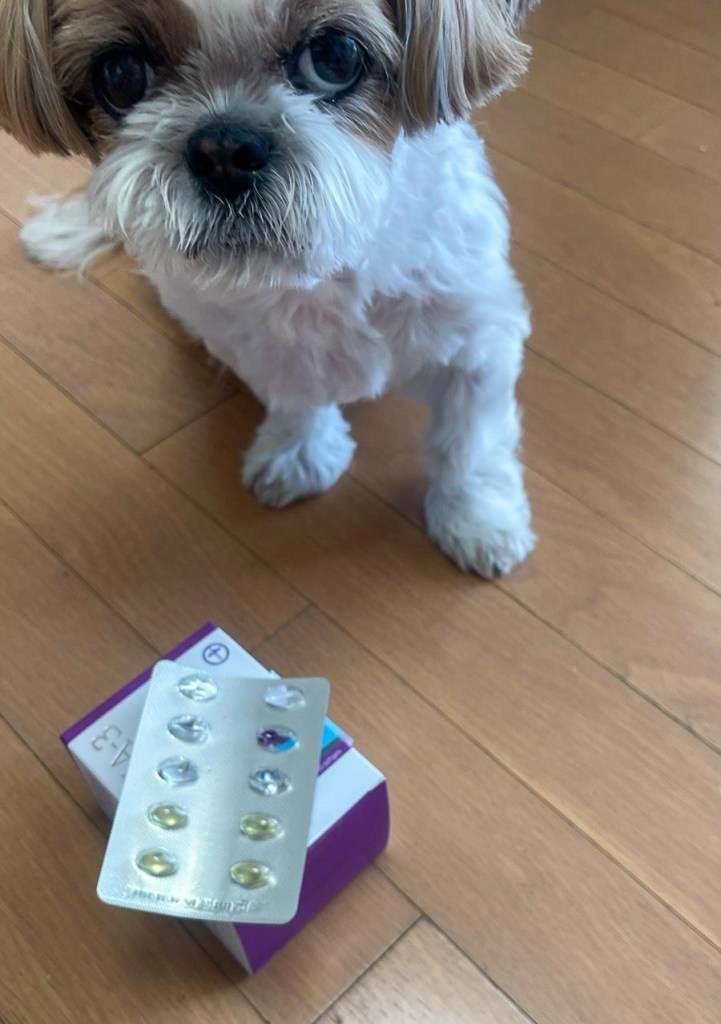
Dr.Ray is the omega-3 product we currently use for Yeoreum. When choosing any supplement for him, I want to understand the ingredients, nutritional information, and recommended serving size rather than relying on the brand name alone.
I also keep in mind that senior dogs may have different nutritional needs. If you’re considering omega-3 for your own dog, it’s worth checking the product label carefully and asking your veterinarian about an appropriate dose, especially if your dog has an existing health condition or takes medication.
Here’s what the brand and Korean pet industry news (DailyVet, July 2023) say about it:
- Uses oil from KD Pharma in Germany, without blending
- EPA and DHA purity of over 90%
- rTG form
- IFOS 5-star certified. The brand says it was the world’s first rTG omega-3 for pets to receive it.
- Made in a cGMP softgel facility in North America
- Each capsule is sealed in a PVDC blister to keep out air and moisture
- Comes in a 60-capsule box and a 30-capsule half pack
- The brand recommends one capsule a day for pets under 3 kg
Yeoreum weighs 5.6 kg, and I currently give him one capsule a day. Since he already takes quite a few supplements and medications, I’ve been cautious about adding more and have tried to keep his dosage to a minimum.
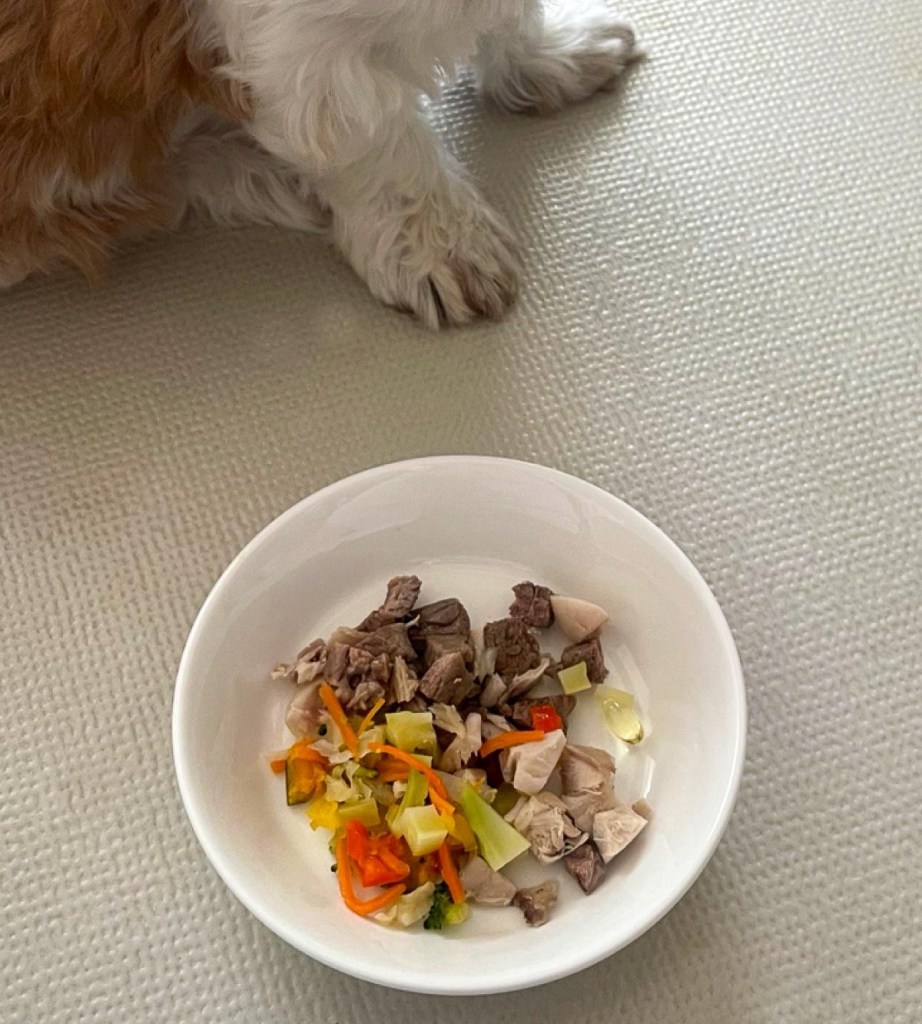
I give him his capsule with dinner, hiding it whole in his food. Thankfully, Yeoreum has a good appetite, especially at dinnertime, so getting him to take his supplements is usually pretty easy! 😊
Since he started taking omega-3, I’ve noticed that his coat looks shinier and his fur seems fuller than before. It’s lovely to see his fluffy coat looking healthier! 🐶✨
⚠️ Things I Keep an Eye On
- Start slowly. Soft stool, diarrhea, burping, or fishy breath can happen at first.
- Calories count. Fish oil is still fat, so I include it when I think about his weight.
- Medications and surgery. At high doses, omega-3 can affect blood clotting. Tell your vet,
- especially before surgery or if your dog takes blood thinners or anti-inflammatory medication.
- Pancreatitis or a sensitive stomach. Ask your vet first if your dog has a history of either.
- Storage. Keep it somewhere cool and dry, away from sunlight.
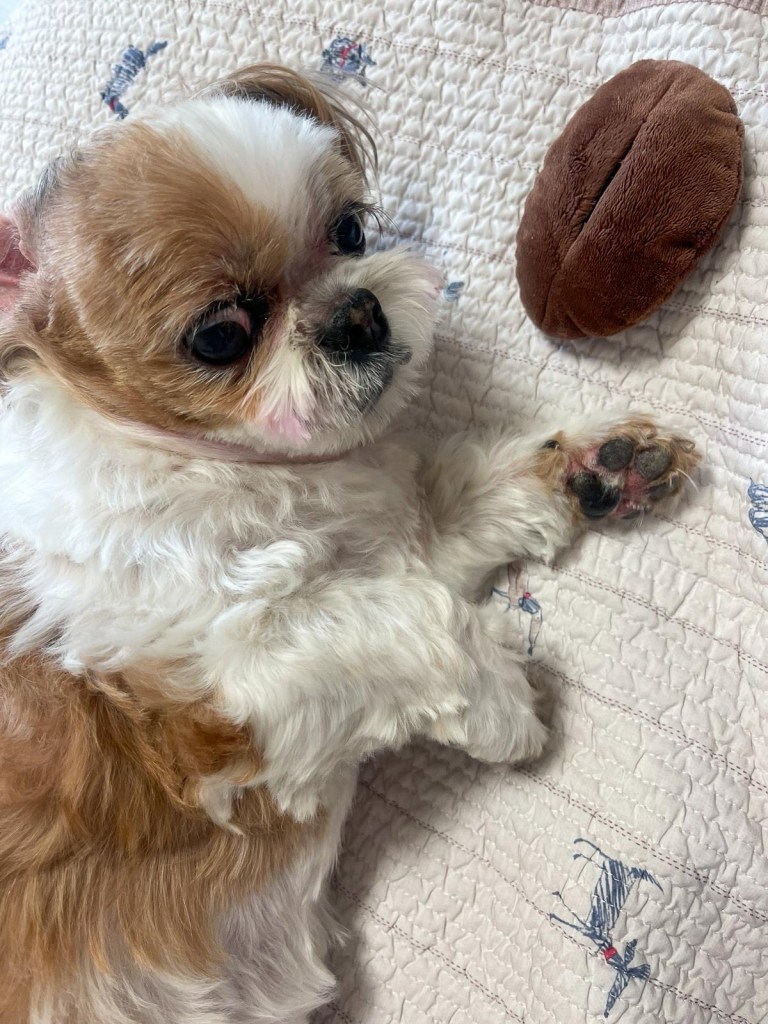
For us, caring for Yeoreum isn’t about finding a magical product. It’s about the little things we do every day to help him enjoy a comfortable, happy life. 🤎
I’ll keep paying attention to his daily routine, meals, walks, and overall condition as we enjoy more little adventures together.
Because growing older doesn’t mean we stop making happy memories. It just means we cherish every moment a little more.
Stay healthy, stay happy, and have a lovely Yeori Day! 🐶🤎
A Little Note from Yeori Day
Yeoreum is a 10-year-old Shih Tzu, and this post is based on our personal experience and my own research. It is not veterinary advice. Every dog is different. Please check with your veterinarian before starting omega-3 or any other supplement, especially if your dog has a health condition or takes medication.
Product details come from the brand and from Korean pet industry news (DailyVet and SmartToday, July 2023).
Please check the current product page for the latest information.
This post is not sponsored. I bought Dr.Ray Omega-3 myself.


Leave a Reply