
Hi everyone! 🤎
The mornings feel different lately.
The air is cooler. The ground is colder. And I’ve started wondering how all of this feels to a 10-year-old Shih Tzu.
Yeoreum can’t tell me when he’s cold, so this year I want to be ready before the real cold arrives.
Here are the six things I’m paying attention to this autumn and winter. 🐾
⸻
🌡️ Why Cold Feels Different for a Senior Dog
Small dogs lose body heat faster than big dogs.
Shih Tzus are also low to the ground, so their chest and belly sit close to the cold pavement.
On top of that, older dogs often have less muscle than they used to, and stiff joints tend to show more on cold days.
After Yeoreum’s front leg scare in August, I’ve been watching his legs more closely anyway. Cold weather gives me one more reason to keep watching. 👀
[Link: When My Senior Shih Tzu Suddenly Started Shaking His Front Leg]
⸻
🐾 1. Walks: Warmer Hours, Shorter Loops
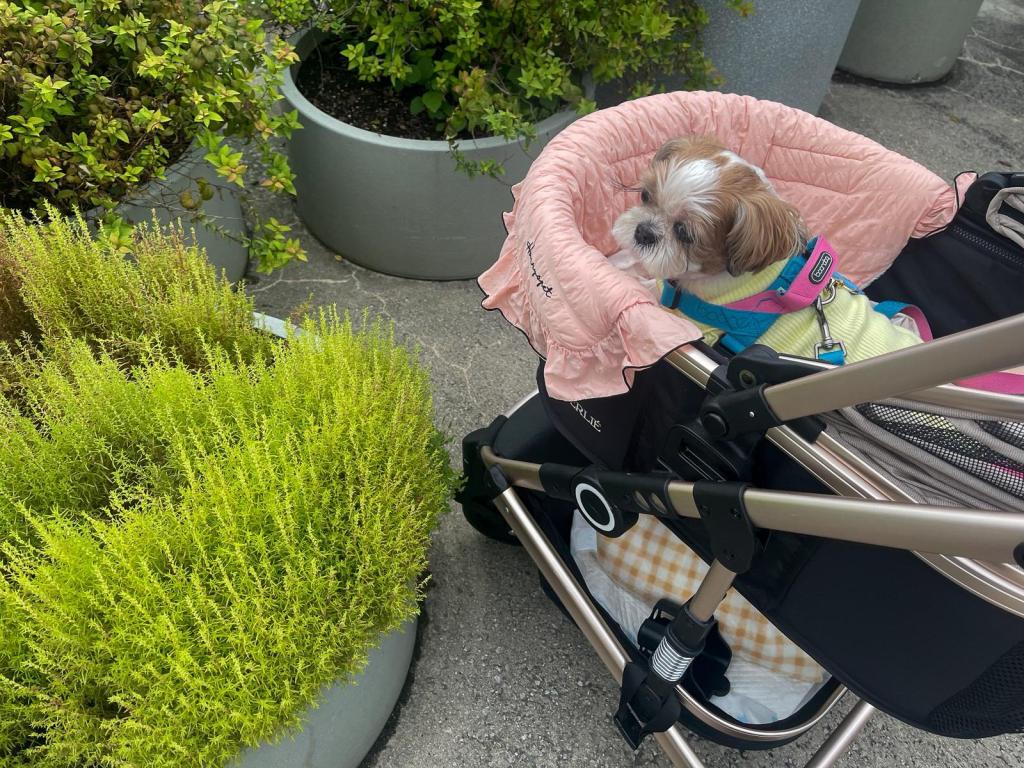
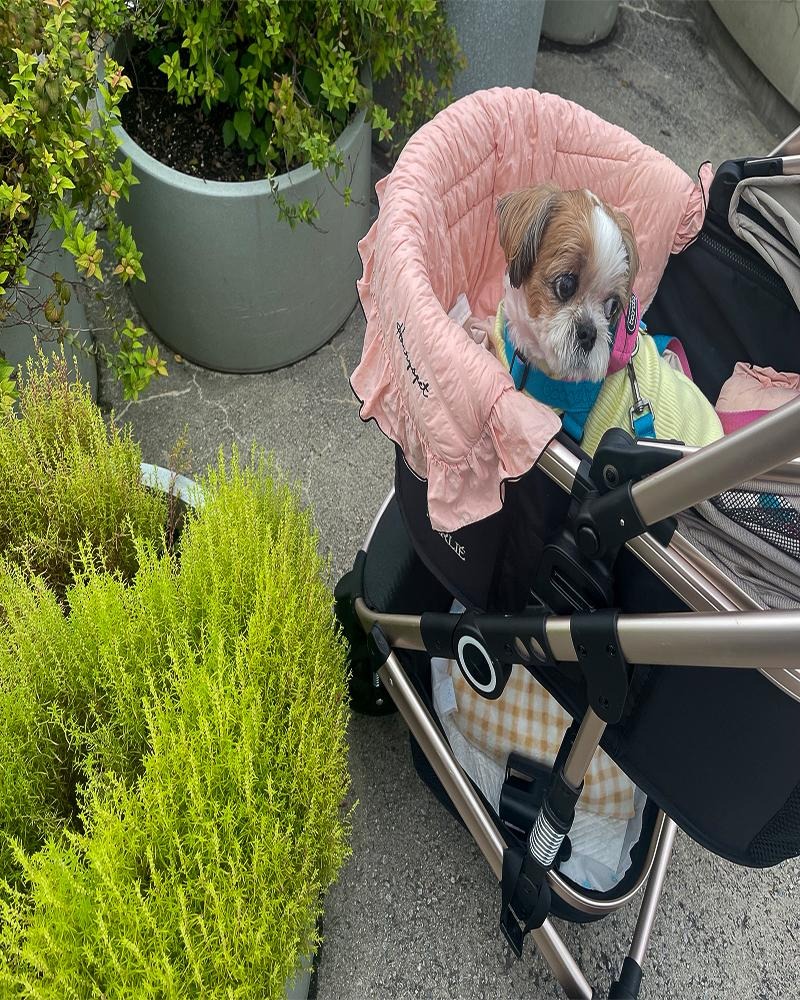
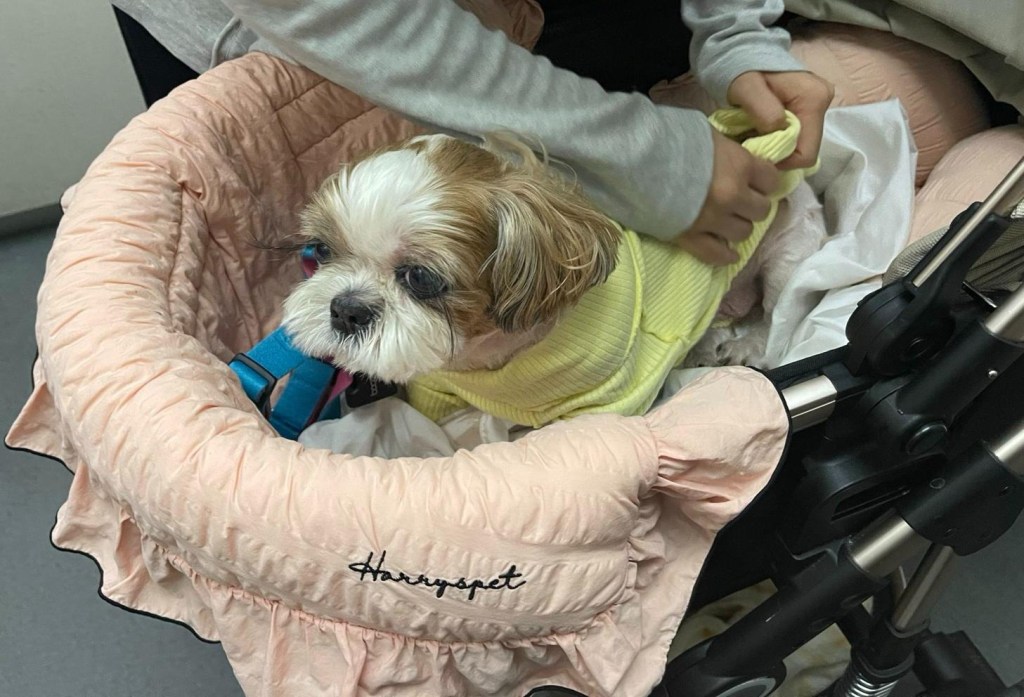
We are not skipping walks. We are just changing how we do them.
- Going out during the warmest part of the day instead of early morning or late at night
- Taking two short walks instead of one long one
- Letting him move around indoors for a few minutes first, so he doesn’t go straight from a nap into the cold
- Heading home early if he seems done
Like I wrote in my walking post, I follow how he feels that day, not a fixed distance.
[Link: How Has Walking Changed for My 10-Year-Old Shih Tzu?]
⸻
🧥 2. A Layer for Outside, Off Again Inside
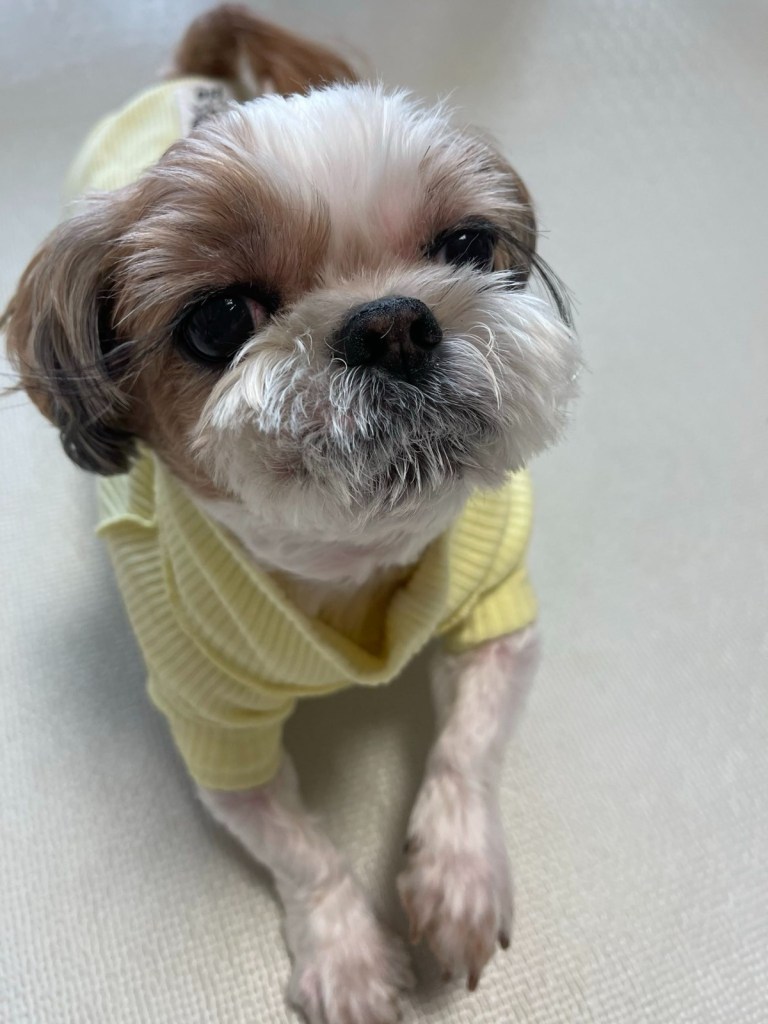
A light sweater or padded vest that covers the chest and belly makes a real difference for a small dog.
A few things I check:
- It isn’t tight around the front legs or armpits
- He can walk and pee comfortably in it
- It comes off as soon as we’re home
That last one matters. Shih Tzus are short-nosed dogs and can overheat more easily than you’d expect, even in winter. Clothes left on all day can also tangle the coat underneath.
And if his clothes or coat get wet, I dry him right away.
⸻
🧼 3. Paws After Every Walk
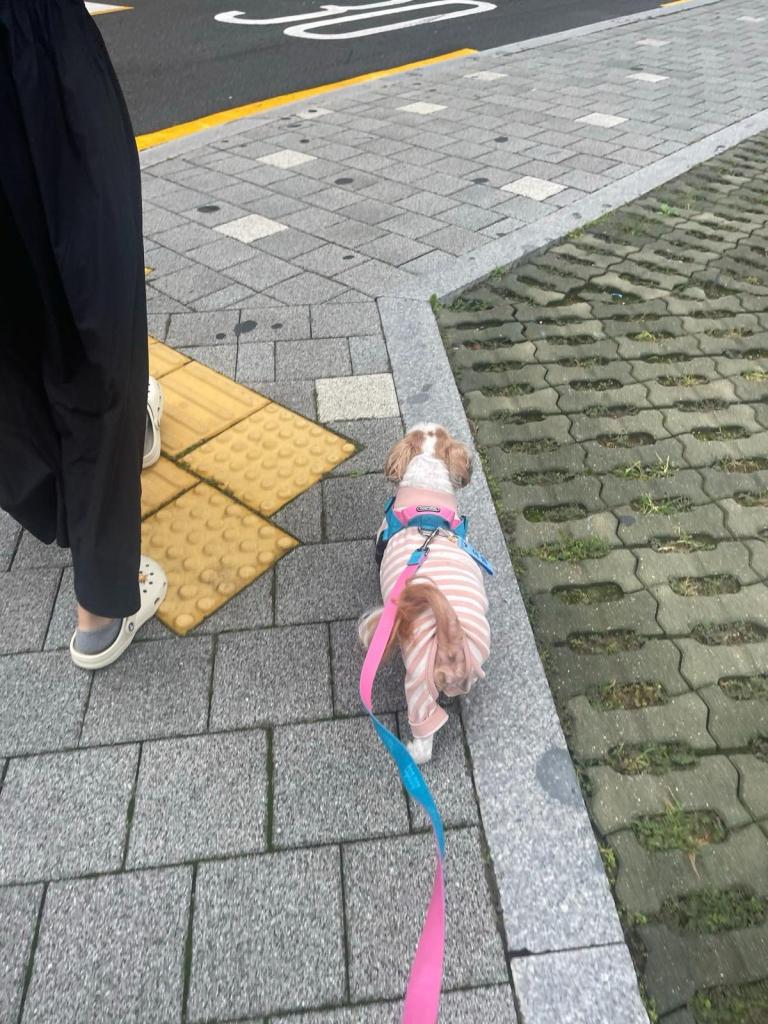
Cold, hard ground is tough on paw pads.
After each walk I try to:
- Wipe his paws and dry between the toes
- Look for cracks, redness, or anything stuck
- Keep the hair between his pads trimmed, so he doesn’t slip and nothing clumps there
- Use a little paw balm when the pads look dry
In places where the streets are salted in winter, rinsing with lukewarm water is a good idea. De-icing salt can irritate the skin, and dogs shouldn’t lick it off.
⸻
🛏️ 4. A Warm Spot to Sleep
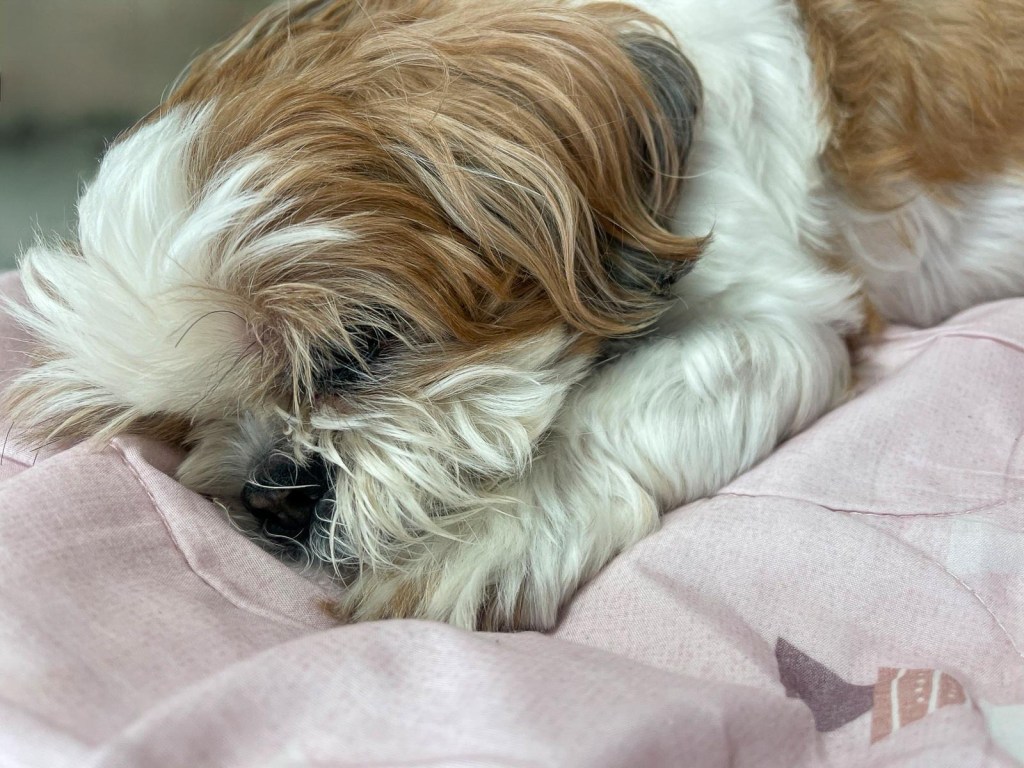
Senior dogs sleep a lot, so where they sleep matters.
- I keep his bed off the bare floor and away from windows, doors, and drafts
- A thicker cushion is kinder to older joints
- An extra blanket lets him burrow when he wants to
If you use a heating pad or heated floor, warm is enough. It should never feel hot.
I always keep a layer between him and the heat, and make sure he can walk away to a cooler spot. An older dog who sleeps deeply may not move in time, and low-temperature burns can happen quietly.
⸻
💧 5. Dry Air, Dry Skin, Dry Eyes
Once the heating comes on, the air inside gets dry.
For a Shih Tzu, that shows up in a few places.
Eyes. Those big round eyes dry out easily. I watch for redness, squinting, or more discharge than usual.
Skin and coat. I avoid bathing too often, use lukewarm water, and dry him all the way down to the skin before he goes anywhere cold. Regular brushing helps too.
Water. Dogs often drink less when it’s cold. Since Yeoreum eats homemade meals along with his regular diet, I can add a little lukewarm water or unsalted broth to his bowl.
A humidifier helps all three. Somewhere around 40–60% humidity is the usual comfortable range for people and dogs alike.
⸻
⚖️ 6. Food and Weight
Shorter walks mean fewer calories burned.
It’s easy for a small dog to gain a little over winter, and extra weight is hard on senior joints.
So I weigh Yeoreum regularly and adjust his treats first, before changing his meals.
For a dog his size, even a small change is worth noticing.
⸻
👀 Signs He’s Too Cold
These are the signals I look for outside:
- Shivering
- Lifting his paws off the ground
- A hunched back or tucked tail
- Slowing down, stopping, or turning toward home
- Whining or asking to be picked up
If I see any of these, we go home and warm up.
If the shivering doesn’t stop once he’s warm, or he seems unusually weak or sleepy, that’s a call to the vet.
⸻
🤎 Slower and Warmer
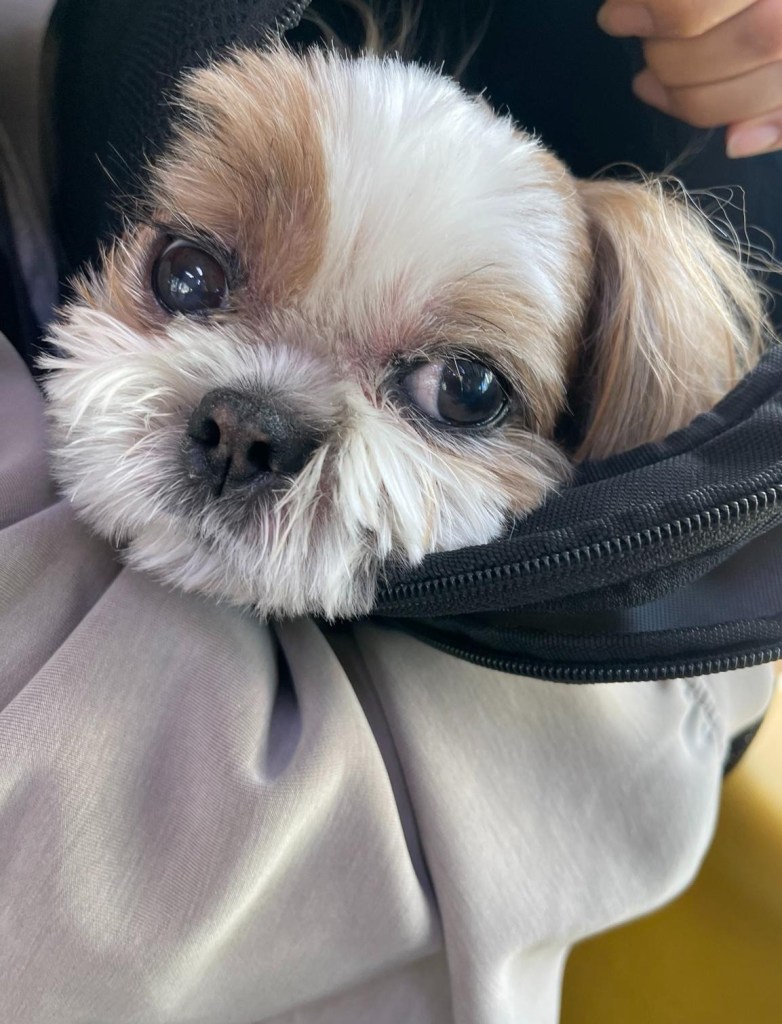
I can’t keep the seasons from changing, and I can’t keep Yeoreum from getting older.
But I can dry his paws, warm his bed, and pick the sunny hour for our walk.
We’ll keep walking this autumn and winter. Just a little slower, and a little warmer. 🤎
Then, everypawdy, stay warm and have a happy Yeori Day! 🐾🤎
⸻
A Little Note from Yeori Day
Yeoreum is a 10-year-old Shih Tzu, and this post is based on our personal experience and my own research. It is not veterinary advice.
Every senior dog is different. If your dog has joint, heart, or breathing problems, or shows persistent shivering, limping, weakness, or other concerning changes in cold weather, please consult your veterinarian.


Leave a Reply