
Safe and Simple Vegetables for Your Dog’s Diet
When we think about feeding our dogs, meat and protein often come to mind first. 🐶🥩
But certain vegetables can also be a nice addition to a dog’s diet when they are prepared properly and given in appropriate amounts.
Since living with Yeoreum, my 10-year-old Shih Tzu, I’ve naturally become more interested in what dogs can and cannot eat.
Especially since I sometimes prepare homemade meals for her, I find myself asking questions like:
“Can my dog eat this vegetable?”
“Should I cook it first?”
“How should I prepare it for an older dog?” 😊
So today, I’m sharing 10 vegetables that dogs can eat, along with some simple tips on how to prepare them.
This post is based on my personal experience as a dog owner and is not veterinary advice. Every dog is different, so always consider your dog’s individual health and dietary needs.
⸻
🥕 1. Carrots
Carrots are one of the vegetables commonly included in dog-friendly diets.
They contain beta-carotene and dietary fiber, and they can be served raw or lightly cooked depending on your dog.
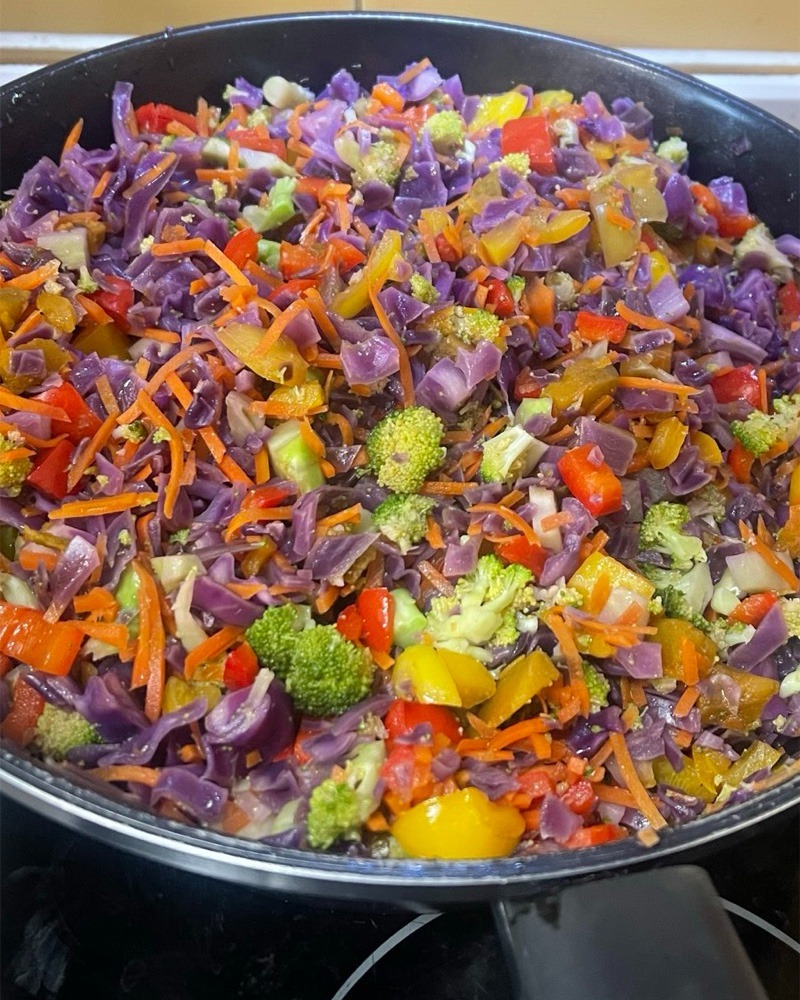
For Yeoreum, I prefer to shred carrots into very thin pieces.
As he has gotten older, his teeth have become weaker, so large or hard pieces of raw carrot are not as comfortable for him to chew.
Shredding the carrot makes it much easier for him to eat, and it also mixes nicely with her homemade meals. 🥕🐶
If your dog has sensitive or weak teeth, finely shredded or lightly cooked carrots may be easier to manage.
As with any new food, start with a small amount and see how your dog reacts.
⸻
🥦 2. Broccoli
Broccoli is another vegetable that dogs can eat in small amounts.
I usually prefer to lightly cook it and cut it into small pieces before adding it to a meal.
Too much broccoli may cause digestive discomfort in some dogs, so moderation is important.
For Yeoreum, a little broccoli mixed with her other ingredients works well. 😊
⸻
🎃 3. Pumpkin
Pumpkin is a popular ingredient in homemade dog meals.
It is soft when cooked and contains dietary fiber, making it easy to mix with other ingredients.
I like using cooked pumpkin as part of Yeoreum’s homemade meals. 🎃
However, pumpkin still contains carbohydrates, so it’s best to use it as one part of a balanced diet rather than giving large amounts.
⸻
🥬 4. Cabbage
Cabbage can also be included in a dog’s diet.
I prefer to lightly cook it and chop it into small pieces before serving.
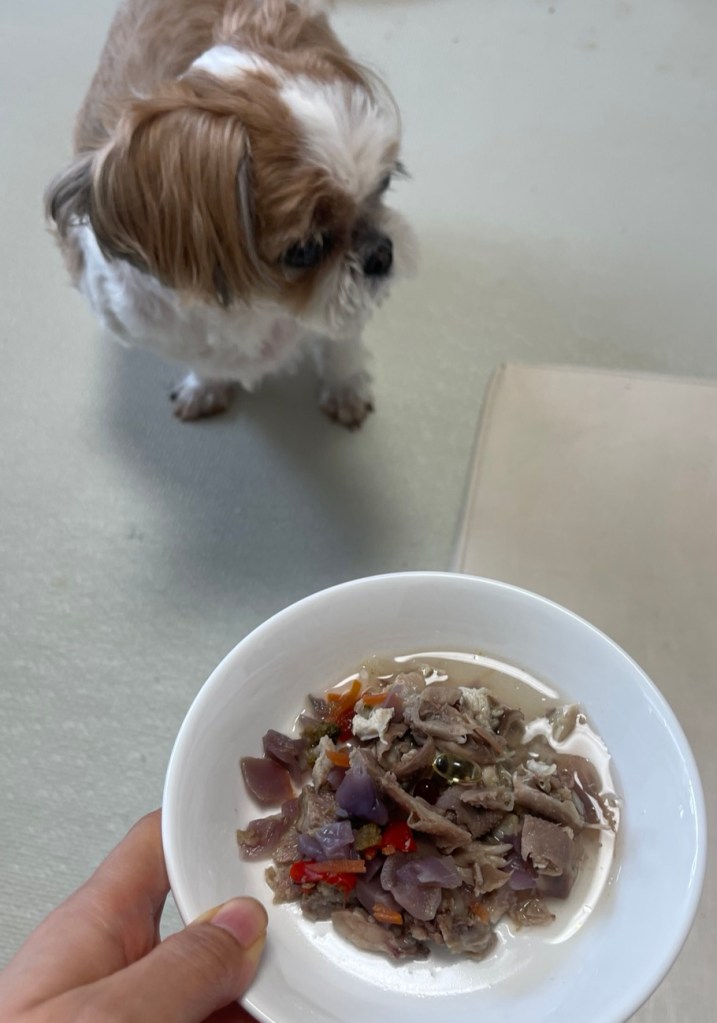
Cabbage is another vegetable I often use when preparing Yeoreum’s homemade meals. 🥬
As always, introduce new foods gradually and watch for any digestive changes.
⸻
🥒 5. Cucumber
Cucumber has a high water content and can be a refreshing snack for some dogs. 💧
Especially during hot weather, some dogs enjoy a few cool pieces of cucumber.
Wash it thoroughly and cut it into small, manageable pieces.
If your dog has difficulty chewing the skin or seeds, you can remove them before serving.
⸻
🫛 6. Green Peas
Plain green peas can be given to dogs in small amounts.
The important thing is to avoid peas prepared with salt, butter, sauces, or other seasonings.
A small amount mixed into a meal can be a simple way to add variety. 😊
⸻
🌿 7. Spinach
Dogs can eat small amounts of spinach, but this is one vegetable where moderation is especially important.
Spinach contains compounds that make it less suitable as a large or frequent part of a dog’s diet.
If you choose to include it, lightly cooking it and serving only a small amount is a more cautious approach. 🌱
⸻
🥔 8. Potatoes
Potatoes should always be cooked before being given to dogs.
Raw potatoes and green or sprouted potatoes are not appropriate for dogs.
Plain boiled or steamed potato can be given in small amounts, but because potatoes are relatively high in carbohydrates, they shouldn’t make up a large part of the meal. 🥔
Avoid adding salt, butter, or other seasonings.
⸻
🌽 9. Corn
Dogs can eat plain cooked corn kernels in small amounts.
However, there is one very important thing to remember:
Never give your dog the corn cob. ⚠️
Corn cobs can be difficult for dogs to digest and may cause serious problems if swallowed.
If you want to give corn, remove the kernels from the cob and offer only a small amount.
⸻
🫑 10. Bell Peppers
Bell peppers can also be a dog-friendly vegetable.
They are crunchy and some dogs enjoy them as an occasional snack. 😊
Wash them well, remove the stem and seeds, and cut them into small pieces before serving.
If your dog has never eaten bell pepper before, start with a small amount and see how they respond.
⸻
🐾 A Few Things to Remember When Feeding Vegetables
Just because a vegetable is safe for dogs doesn’t mean that more is better.
Vegetables should generally be considered an addition to a dog’s overall diet rather than the main part of the meal.
When introducing a new vegetable, I like to keep a few simple rules in mind:
👉 Start with a small amount
👉 Cut food into an appropriate size
👉 Avoid salt, sugar, sauces, and other seasonings
👉 Cook vegetables when necessary
👉 Watch your dog for digestive changes
And if your dog has a medical condition, food allergies, or is currently eating a prescription diet, it’s a good idea to check with your veterinarian before introducing new ingredients.
⸻
🥕 The Vegetables I Use for Yeoreum
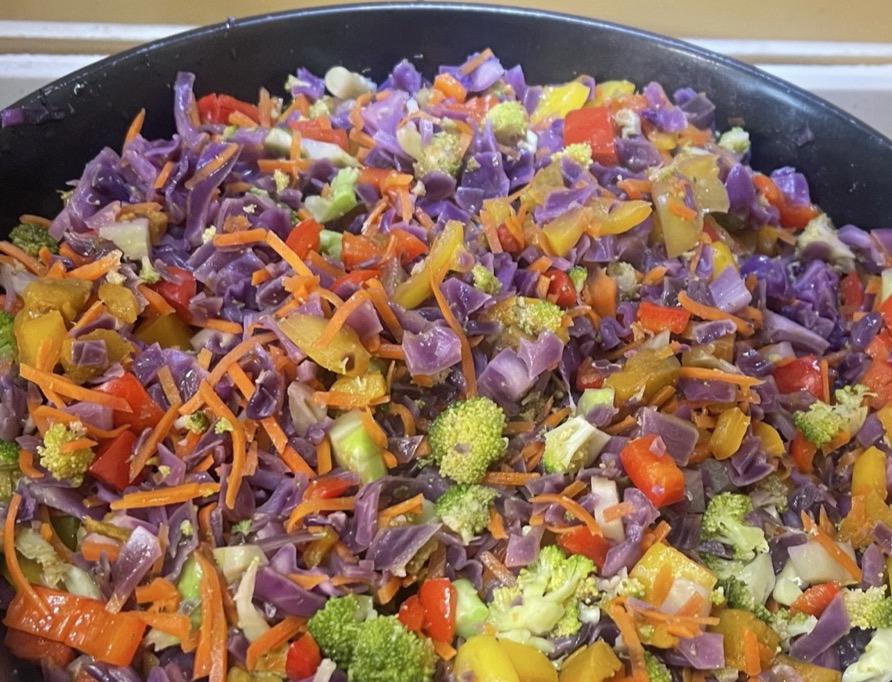
For Yeoreum’s homemade meals, I often use carrots, cabbage, broccoli, and pumpkin.
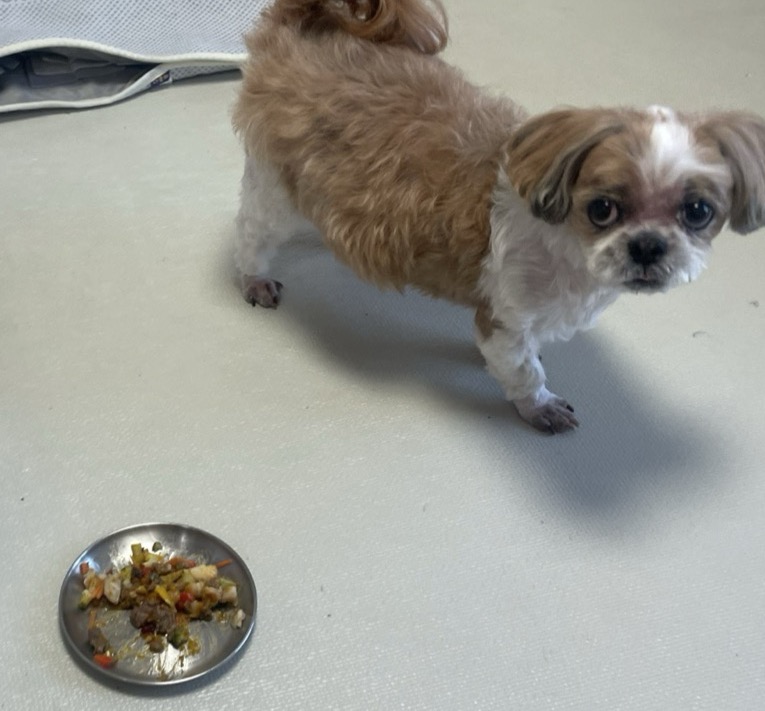
I lightly cook the vegetables, combine them with meat or fish, and portion everything into individual servings before freezing them.
It makes homemade meals much easier to manage, especially when you don’t want to prepare everything from scratch every day. 😊
Of course, what works well for Yeoreum may not work exactly the same way for another dog.
As he has gotten older, I’ve learned that even small things—such as how finely vegetables are cut—can make a difference.
I’m still learning along the way, too. 🐾
Next, I’ll be sharing more about different protein sources for dogs and how I choose ingredients for Yeoreum’s homemade meals. 🥩🐶
🤎 Wishing you and your furry friends a happy Yeori Day! 🐾

This article reflects my personal experience caring for my dog and is for general informational purposes only. It is not a substitute for professional veterinary advice.


Leave a Reply