
When we share our lives with a dog, it’s easy to want to share everything we eat, too. 🥰
Those little eyes looking at us during mealtime can make saying “no” surprisingly difficult!
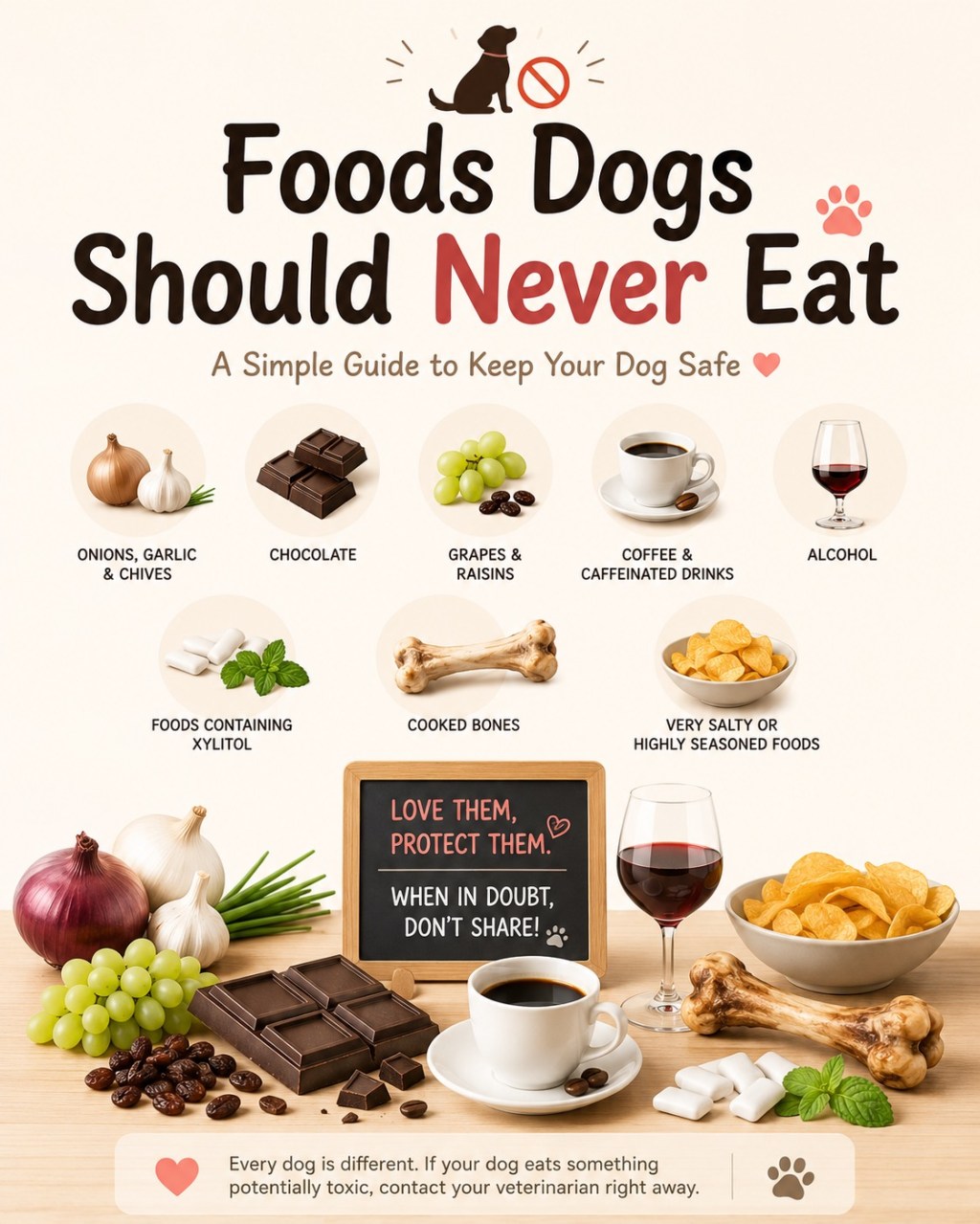
But some foods that are perfectly normal for us can be dangerous, or even toxic, to dogs. So today, I wanted to put together a simple list of foods I always keep away from Yeoreum.
Yeoreum is a senior Shih Tzu, and as he has gotten older, I’ve become much more careful about what goes into his bowl. ❤️
This post is based on my experience as a pet family and the information I’ve learned while caring for Yeoreum. I’m not a veterinarian, so this is not professional veterinary advice. If your dog accidentally eats something potentially dangerous, contacting a veterinarian is always the safest choice.
🧅 1. Onions, Garlic & Chives
Onions, garlic, chives, and similar allium vegetables are foods I never give to Yeoreum.
They can be harmful to dogs, and the risk isn’t limited to raw vegetables. Cooked, dried, powdered, or processed forms can also be a concern.
That means it’s worth checking ingredients in soups, sauces, seasonings, and other human foods before sharing them.
For Yeoreum, I simply keep them off the menu. 🚫
🍫 2. Chocolate
Chocolate is another big one.
Chocolate contains substances that dogs cannot process safely, and darker chocolate can be especially concerning.
So even though Yeoreum sometimes gives me his best “just one bite” face… 😆
Chocolate is a definite no in our house.
🍇 3. Grapes & Raisins
Grapes and raisins may look like harmless little snacks, but they can be dangerous for dogs.
Because reactions can vary, I don’t take any chances with them.
No grapes, no raisins, and no foods containing them. 🍇🚫
☕ 4. Coffee & Other Caffeinated Drinks
Coffee, energy drinks, and other caffeinated beverages are also foods and drinks I keep completely away from Yeoreum.
Dogs are much more sensitive to caffeine than we are, so a cup of coffee that helps us wake up in the morning is definitely not something to share with our dogs. ☕🐶
🍺 5. Alcohol
This one is simple: dogs should not have alcohol.
Beer, wine, cocktails, and other alcoholic drinks should always be kept out of reach.
Even a small amount can be dangerous, so this is another complete “no” for us.
🍬 6. Foods Containing Xylitol
Xylitol is a sweetener that can be found in some sugar-free products, including certain candies, chewing gum, and other foods.
Because products and ingredients can vary, I make a habit of checking labels rather than assuming something is safe just because it says “sugar-free.”
When it comes to Yeoreum, I’d much rather be overly careful than take a chance. 🧐
🦴 7. Cooked Bones
Bones can seem like a natural treat for dogs, but cooked bones are something I avoid.
Cooking can make bones brittle, which means they may splinter and cause problems if swallowed.
This is especially important to remember when preparing meat at home.
Whenever I prepare meat for Yeoreum, I make sure there are no cooked bones left in his portion.
🧂 8. Very Salty or Highly Seasoned Foods
Dogs don’t need the same heavily seasoned foods that we enjoy.
Foods that are very salty, spicy, oily, or heavily seasoned are best kept off their menu.
This is one reason I prefer preparing simple homemade meals for Yeoreum when I’m making food specifically for him.
Simple ingredients make it easier for me to know exactly what he is eating. 🥕🥦
❤️ What I’ve Learned From Living With a Senior Dog
As Yeoreum has gotten older, I’ve realized that feeding a dog isn’t just about finding something they like.
It’s also about knowing what not to give them.
Senior dogs can have different nutritional needs, and every dog is different. Allergies, health conditions, age, weight, and individual tolerance can all affect what works best.
That’s why I try to keep Yeoreum’s meals simple and pay attention to how he reacts to new foods.
And honestly…
Sometimes the safest treat is the one that never makes it onto the table in the first place. 😆🐾
🐶 A Little Reminder for Other Pet Families
If your dog accidentally eats something that may be toxic or dangerous, don’t wait for symptoms to appear. Contact your veterinarian or an appropriate emergency veterinary service for guidance.
And when introducing a new food, I personally prefer starting with a small amount and watching Yeoreum carefully for any unusual reaction.
Living with a senior dog has taught me that small choices can make a big difference.
After all, our dogs may not understand why we say “no” to that tempting bite…
But keeping them safe is worth it every time. ❤️🐾

This article is based on my personal experience caring for Yeoreum and is intended for general informational purposes only. It is not a substitute for professional veterinary advice.


Leave a comment